
The Significance of Ritual: Why It Matters
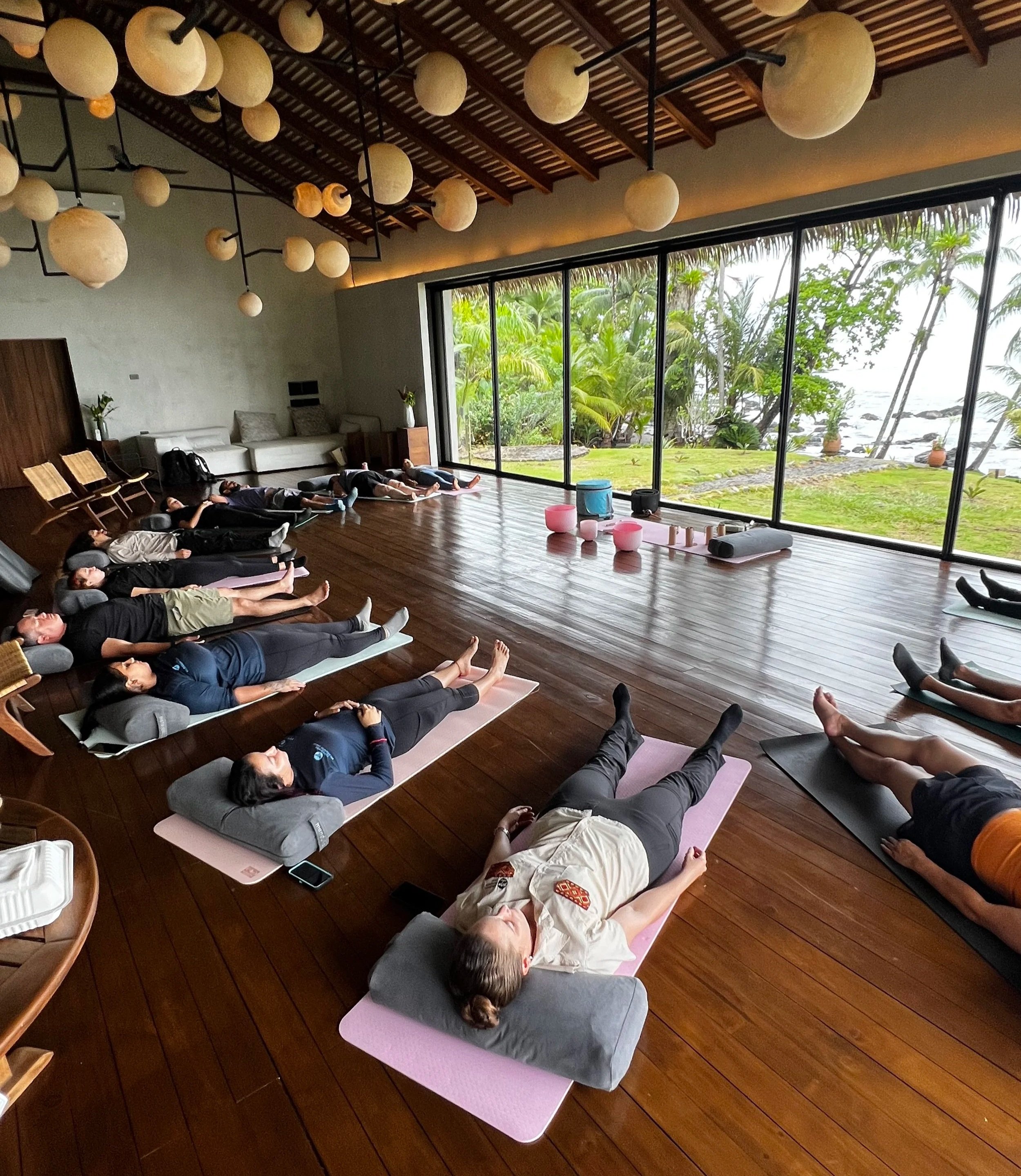
Ritual is a big part of what we do at Moonwake. We gather around fires, light candles, recite mantras, and call in the elements of nature. This isn't something we invented. Humans have been creating rituals for thousands of years as a way to mark milestones and create meaningful shifts in their lives.
Think about the rituals that are already a part of your own life. We blow out candles on birthdays, exchange rings at weddings, walk across a stage at graduation, leave flowers when someone dies, and count backwards together on New Year’s Eve. None of these actions actually causes the moment we're marking; you're just as married without the ring, and just as old without the candles, but somehow it matters to us to make an invisible moment visible.
Not every transition comes with a ritual already built in, though. What about when you decide you’re ready to move on from a relationship, or you let something go, or you forgive someone, or make a major life transition? These things can come and go with no external evidence that anything has changed. When there's no ceremony waiting for us, we can still create rituals for ourselves. We can give those internal moments a physical form and create our own external evidence.
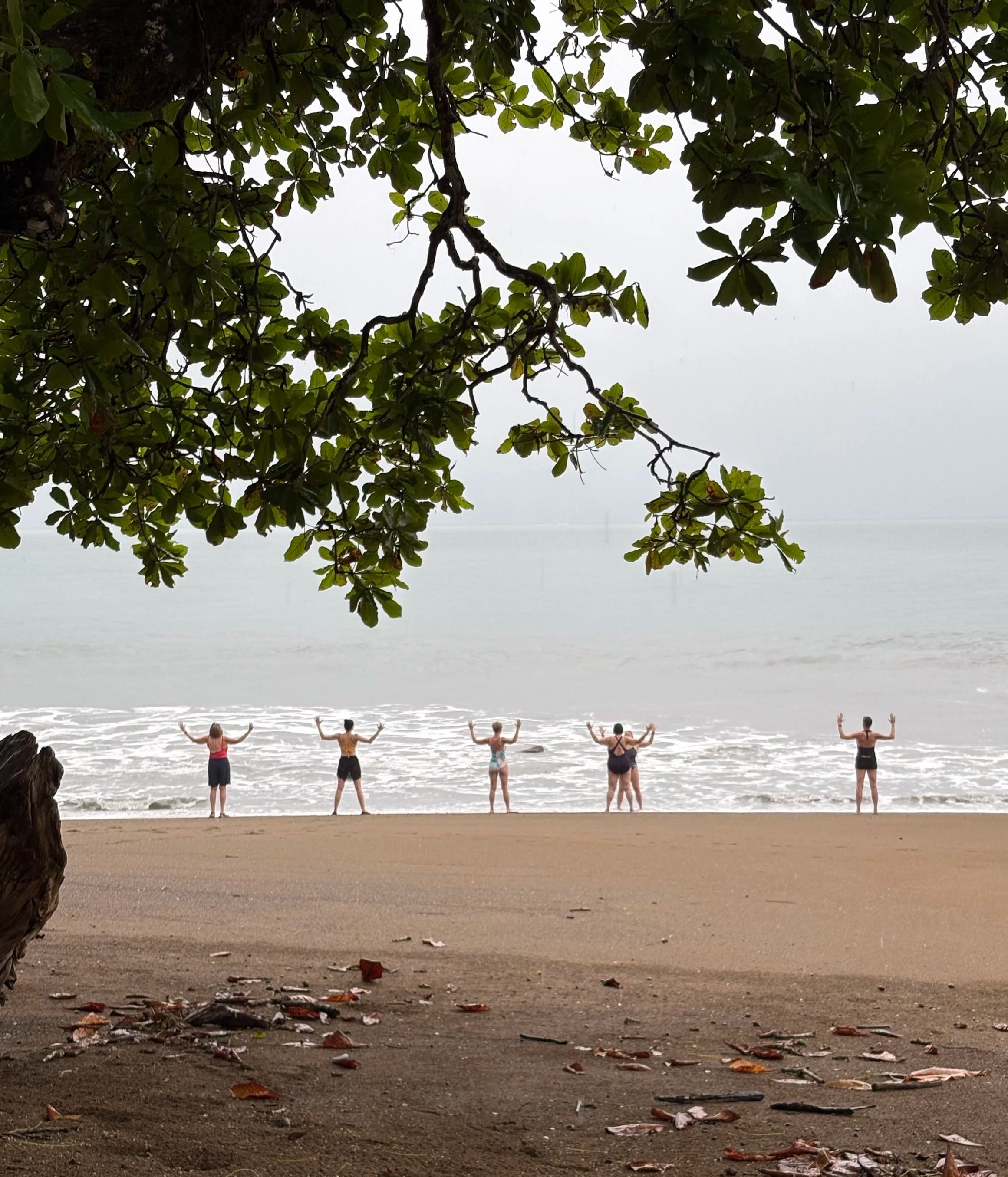
Ritual does something that thinking alone cannot: it takes an idea that exists entirely in your thoughts and turns it into an experience. You might deliberately walk into the ocean and release what you've been carrying, throw herbs into a fire to claim an intention, or embody newly claimed power through dance and movement. There's a clear beginning and end: an intentional moment to embody what previously existed only as a thought, and a moment to close it.
Ritual Makes Us Pay Attention
We spend a surprising amount of our lives with our attention elsewhere. We watch TV while we eat, think about the day’s tasks while we walk, and listen to a podcast while we drive. It's easy to reach the end of the day without having been present for much of it.
Ritual interrupts that pattern because it asks us to bring our full attention and energy to an ordinary action.
Lighting a candle isn't remarkable. But lighting one deliberately, watching the flame catch, and deciding what that moment represents changes the quality of your attention. The action is the same; your relationship to it has changed.
That may be part of why rituals become unusually vivid memories. We tend to remember the moments when we were actually paying attention.
Ritual Can Help When We Don't Know What Happens Next
Some of the most interesting research on ritual looks at what happens when people face uncertainty, anxiety, or situations they can't control.
Studies have found that ritualized behavior often increases in uncertain circumstances, and experimental research suggests that performing rituals can reduce anxiety. Researchers have proposed several explanations, but one possibility is simple: ritual gives us structure when the situation itself offers little.
Ritual doesn't necessarily give us control over the outcome. Lighting a candle won't make a difficult decision turn out well, and a ceremony can't guarantee the next chapter of your life will look the way you hope. What it can do is give you a way to acknowledge where you are, even if you don't yet know where you're going.
Some Rituals Matter Because We Do Them Together
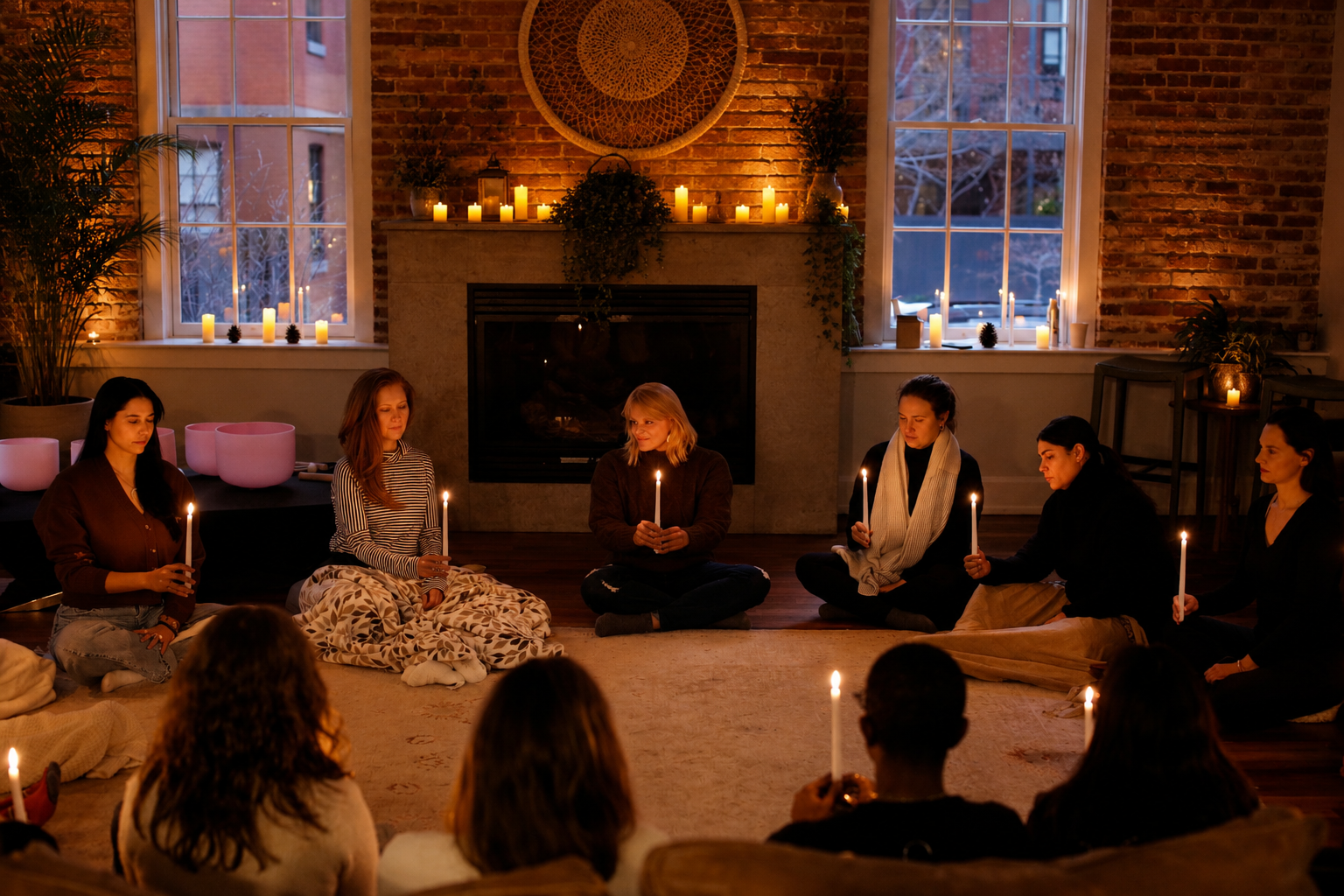
Ritual is also a social experience. Many of the rituals humans have maintained the longest are performed in community. We eat together, sing together, celebrate together, and gather together when someone dies.
Research on collective ritual has linked these experiences to social bonding, cooperation, and a greater sense of belonging. There is something powerful about knowing another person witnessed a meaningful moment in your life, especially when so much of modern life is experienced in private.
Even when everyone in a group interprets an experience differently, they still share the memory of having been there.
Ritual Doesn't Have to Be Religious
The word ritual can sound religious or intimidating if it isn't part of your everyday vocabulary. But ritual doesn't require any particular spiritual belief. An annual trip with your closest friends can be a ritual. So can cooking a family recipe every Christmas, watching the sunset on your birthday, or taking the same walk on the first morning of every new year. What separates a ritual from an ordinary action isn't the activity itself — it's the meaning we decide to give it.
Why We Use Ritual at Moonwake
Humans have used ritual for thousands of years, across cultures and throughout nearly all of recorded history. There is something grounding about participating in that long human tradition.
Ritual also gives us a way to connect with the natural world as something we participate in, rather than simply observe. Water, fire, earth, and the night sky aren't just beautiful backdrops for our retreats; they become part of the experience. We enter water with an intention, sit together around a fire, put our hands on the earth, or look up at a sky that reminds us how enormous the world is beyond whatever has been consuming our attention.
That attention is another reason ritual matters to us. When we deliberately give meaning to an action, we experience it differently. We notice what we're doing, how it feels, and why we're doing it, rather than letting the moment disappear into everything else happening around us.
Perhaps most importantly, ritual creates a container. It gives an experience a beginning and an end, a purpose and a structure, which makes room to explore what might otherwise feel too abstract or too vulnerable to approach directly. Within that container, there is space to reflect, feel, understand, and connect.
We don't expect everyone who comes to Moonwake to experience ritual in the same way, and we don't think you need to believe anything in particular for it to matter. For us, ritual is simply one of the oldest tools humans have for bringing intention to an experience, connecting with the world around us, and making space for the moments we want to remember.
If you're ready to experience ritual for yourself rather than just read about it, explore our upcoming retreats — including Tulum: Ancient Rhythms, built around exactly this kind of intentional, embodied practice.