
Why Your Health Needs Nature
What happens to your mind and body when you spend real time outside, and how much you actually need.
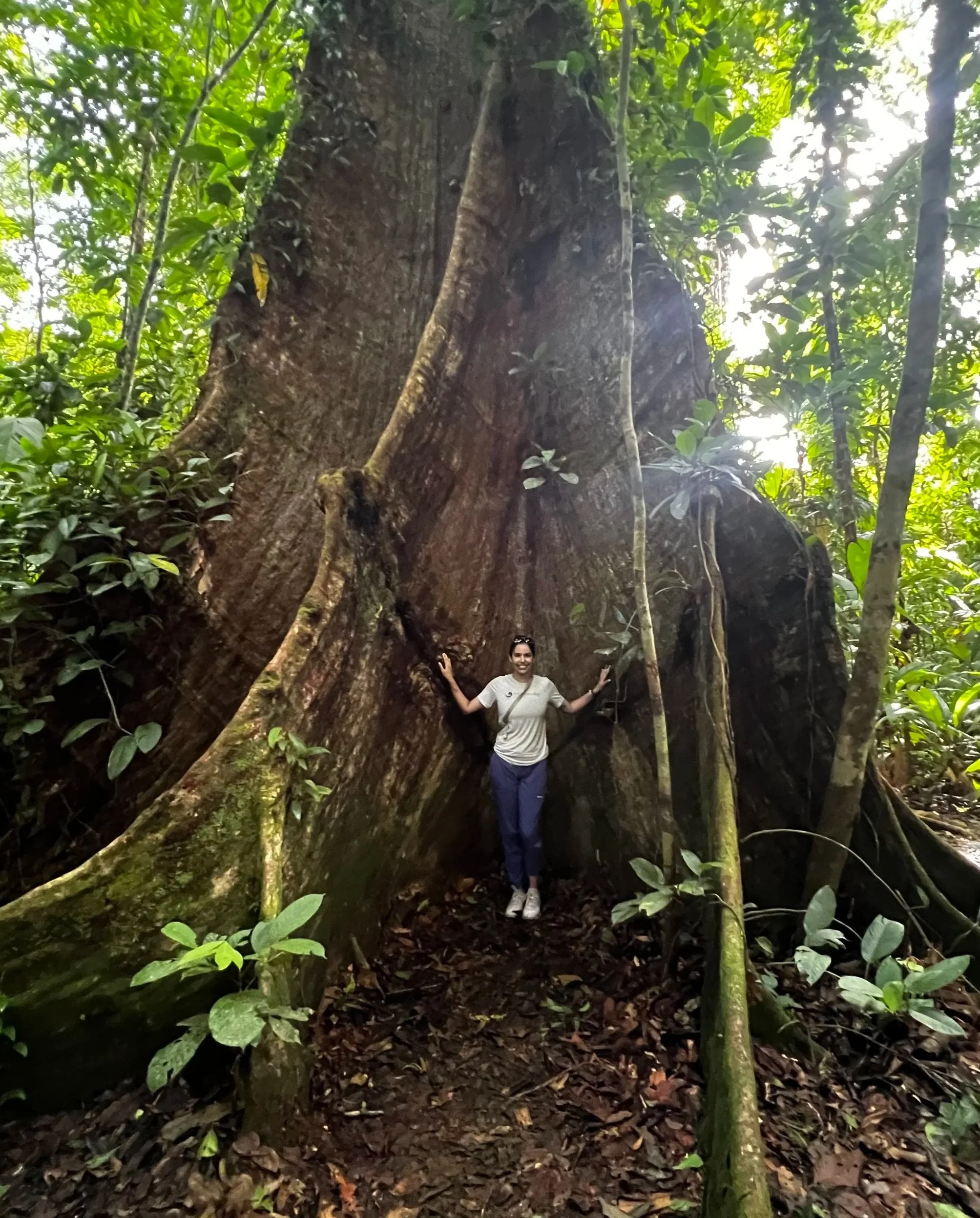
At Moonwake, reconnecting with nature is at the heart of our retreats. We visit some of the world’s most breathtaking natural environments, build rituals around the elements of nature, and intentionally create opportunities for people to simply be outside.
And there’s a lot more behind that than just enjoying a beautiful view.
Spending time in nature changes us in measurable ways:. It affects our stress levels, mood, cardiovascular health, sleep, immune function, and overall well-being. Forests affect us differently than city streets do. Water has its own effect. Even natural light changes what's happening inside the body.
That feeling that something shifts when you step outside is very real, and it has more science behind it than we realize.
As our lives have moved indoors and onto screens, researchers have started looking closely at what happens when we reconnect with the natural world.
What Nature Does For Us
According to the Environmental Protection Agency, Americans spend 90 percent of their time indoors. In his 2026 book The Indoor Epidemic, physician John La Puma lays out the research on natural light, air, sleep, cognition, stress, forests, and what happens when daily contact with the outdoors disappears.
The Air and Light We Live In
One of the most striking variables is the air in the room.
Rising carbon dioxide levels (the telltale sign of poor ventilation) are linked to measurable declines in decision-making performance. The physical space around us shapes our thinking in ways we rarely notice.
Light works the same way. Human beings run on an internal clock, and light is the signal that keeps it on time. Natural daylight shifts dramatically over the course of a day; most indoor lighting does not, and that difference affects the circadian rhythms behind sleep, alertness, and dozens of other processes in the body.
Thirty office workers spent a week in each of two nearly identical offices, one with standard lighting and the other engineered for optimal daylight and views. In the daylight office, they slept an average of 37 minutes longer each night and scored 42 percent higher on tests of cognitive performance.
Then there's what happens when you take people out of buildings altogether.
What the Forest Does to the Body
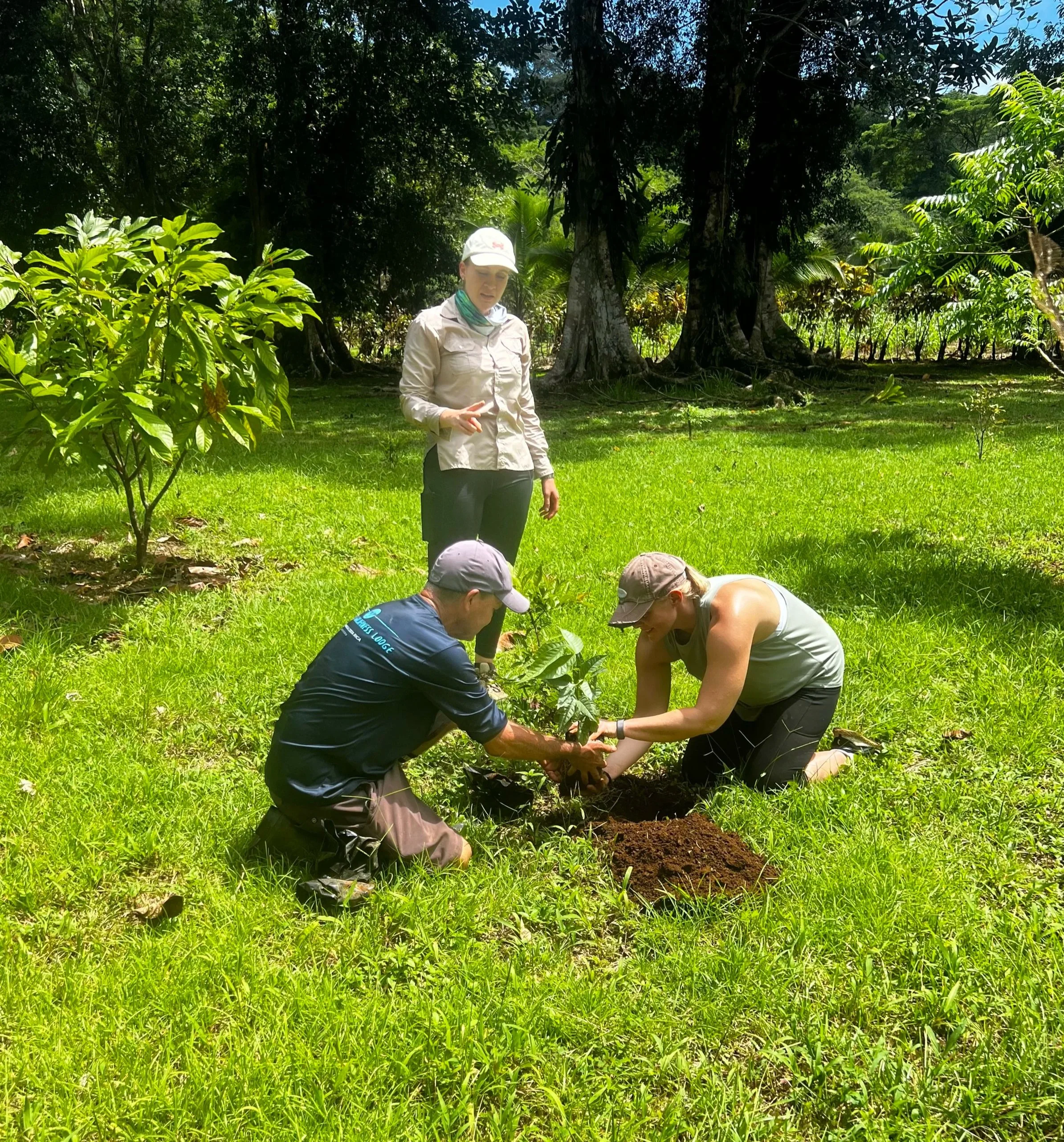
Shinrin-yoku, Japanese for "forest bathing," simply means spending intentional time immersed in a forest.
Across 22 forest-bathing studies, researchers found consistently lower cortisol after forest exposure compared with time in urban environments.
Trees and plants also release airborne compounds called phytoncides. Walk through a forest and you're breathing an environment that’s chemically different from the one inside your house or office. Forest exposure has been linked to increased activity in natural killer cells, the part of the immune system responsible for identifying and destroying abnormal or infected cells. In lab studies, exposing these cells directly to phytoncides increased their cytolytic activity and several of the proteins involved in immune function.
Our bodies respond to where we put them.
Nature Changes What the Brain Is Doing
The psychological effects of nature go way beyond just feeling happier outside.
In a Stanford study, 38 healthy adults took either a 90-minute walk through natural grassland or a 90-minute walk along a busy urban road. Researchers measured rumination before and after, along with activity in the subgenual prefrontal cortex, the brain region associated with repetitive self-focused thinking.
After the nature walk, participants reported less rumination and showed reduced activity in that region of the brain. The group that walked in the urban environment showed no such change.
How Much Time in Nature You Actually Need
Zoom out from individual walks to entire populations, and the numbers add up. A meta-analysis spanning 143 studies found that greater exposure to green space is associated with lower cortisol, lower heart rate, lower blood pressure, lower rates of type 2 diabetes, and lower cardiovascular mortality.
There may even be a recommended dose. Researchers tracked 19,806 adults and compared how much recreational time they'd spent in nature the previous week against their self-reported health and well-being. The threshold was 120 minutes. People who spent at least two hours in nature that week were significantly more likely to report good health and high well-being than people with none. Between 120 and 179 minutes, the odds of reporting good health rose 59 percent; the odds of high well-being rose 23 percent. Benefits peaked between 200 and 300 minutes a week.
It didn't seem to matter how those two hours were spent. One long visit to a park produced the same association as several short ones scattered through the week.
Maybe nature deserves the same kind of intentional room in our week that we make for exercise or sleep.
Water Counts Too
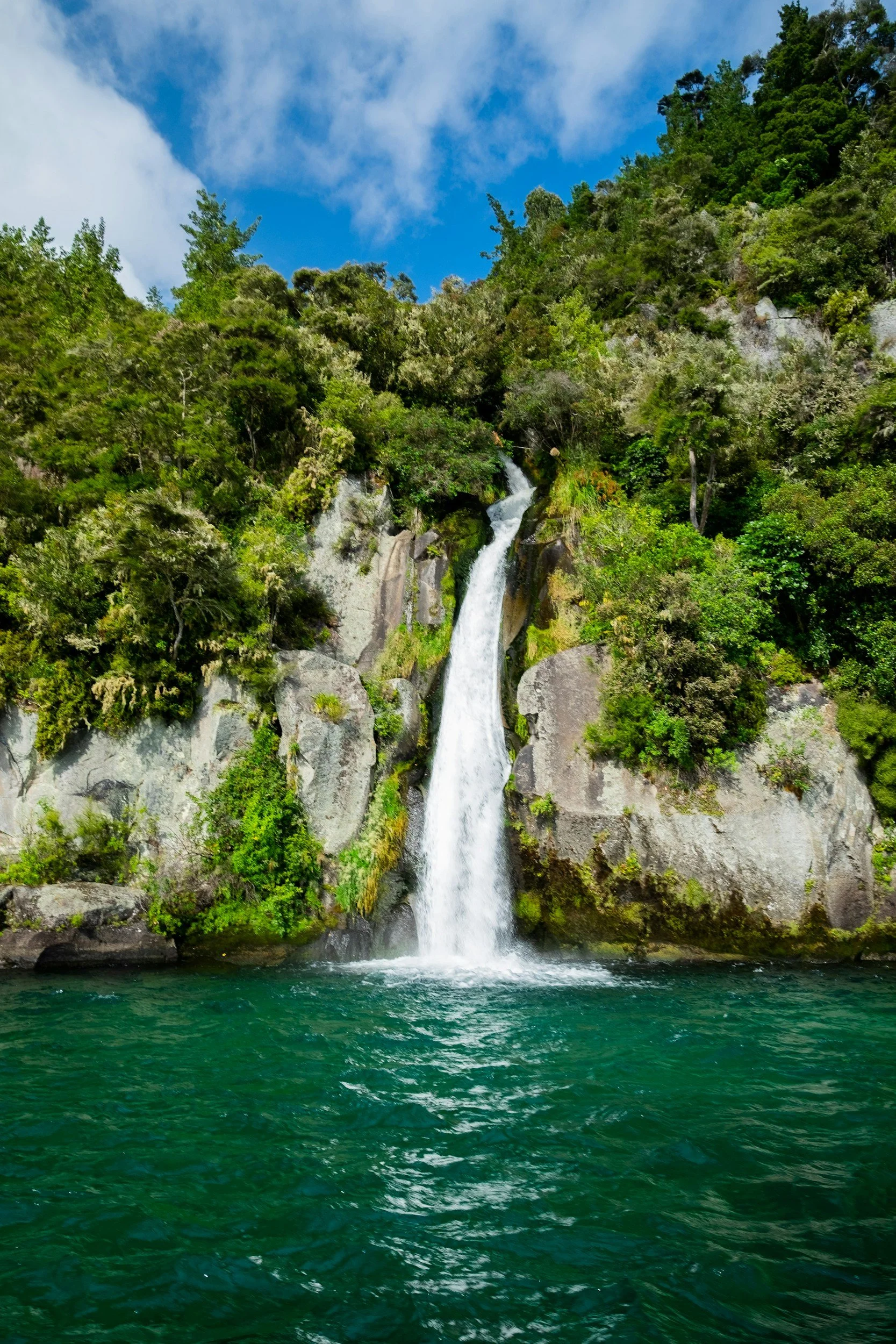
Forests aren't the only environment researchers are interested in. There's a growing field around blue space: oceans, lakes, rivers, anywhere with water. Across a review of 35 studies, greater exposure to blue space was linked to better mental health, greater well-being, and higher levels of physical activity.
Why Nature Is Part of Moonwake
The science explains something humans seem to have intuitively known for a very long time: our external environment changes how we feel.
That's part of the thinking behind how we design Moonwake Retreats. Nature isn't just there for the scenery. We want people to be fully immersed in it. To eat outside, swim, walk, sit beneath trees, watch the stars, and have nowhere else they need to be.
It's also why our retreats are built around the Five Element Method, using Water, Air, Fire, Earth, and Stardust as guides rather than treating nature as one undifferentiated backdrop. Sitting beside the ocean isn't biologically identical to walking through a forest, and "nature" is a big enough category that it's worth being specific about which part of it you're turning to, and why.
We live in bodies that evolved in constant conversation with the natural world. Light told us what time it was. Temperature changed around us. Plants released compounds into the air. Water moved nearby. Our eyes shifted constantly between distances, textures, and patterns. Our feet met uneven ground.
Modern life changed that relationship remarkably fast.
Reconnecting with nature isn't about rejecting modern life, and it doesn't require disappearing into the wilderness.
It's simpler than that. We came from the natural world. Returning to it is really a way of returning to ourselves.
References & Further Reading
U.S. Environmental Protection Agency. "Indoor Air Quality." EPA Report on the Environment.
La Puma, John. The Indoor Epidemic. 2026.
Satish, U., et al. "Is CO2 an Indoor Pollutant? Direct Effects of Low-to-Moderate CO2 Concentrations on Human Decision-Making Performance." Environmental Health Perspectives, 2012.
"The Impact of Optimized Daylight and Views on the Sleep Duration and Cognitive Performance of Office Workers."International Journal of Environmental Research and Public Health, 2020.
Antonelli, M., et al. "Effects of Forest Bathing (Shinrin-Yoku) on Levels of Cortisol as a Stress Biomarker: A Systematic Review and Meta-Analysis." International Journal of Biometeorology, 2019.
Li, Q., et al. "Effect of Phytoncide from Trees on Human Natural Killer Cell Function." International Journal of Immunopathology and Pharmacology, 2009.
Bratman, G.N., et al. "Nature Experience Reduces Rumination and Subgenual Prefrontal Cortex Activation." PNAS, 2015.
Twohig-Bennett, C., & Jones, A. "The Health Benefits of the Great Outdoors: A Systematic Review and Meta-Analysis of Greenspace Exposure and Health Outcomes." Environmental Research, 2018.
White, M.P., et al. "Spending at Least 120 Minutes a Week in Nature Is Associated with Good Health and Wellbeing." Scientific Reports, 2019.
Gascon, M., et al. "Outdoor Blue Spaces, Human Health and Well-Being: A Systematic Review of Quantitative Studies." International Journal of Hygiene and Environmental Health, 2017.