
The Science of Awe and Why Wonder Is Essential for Our Nervous System
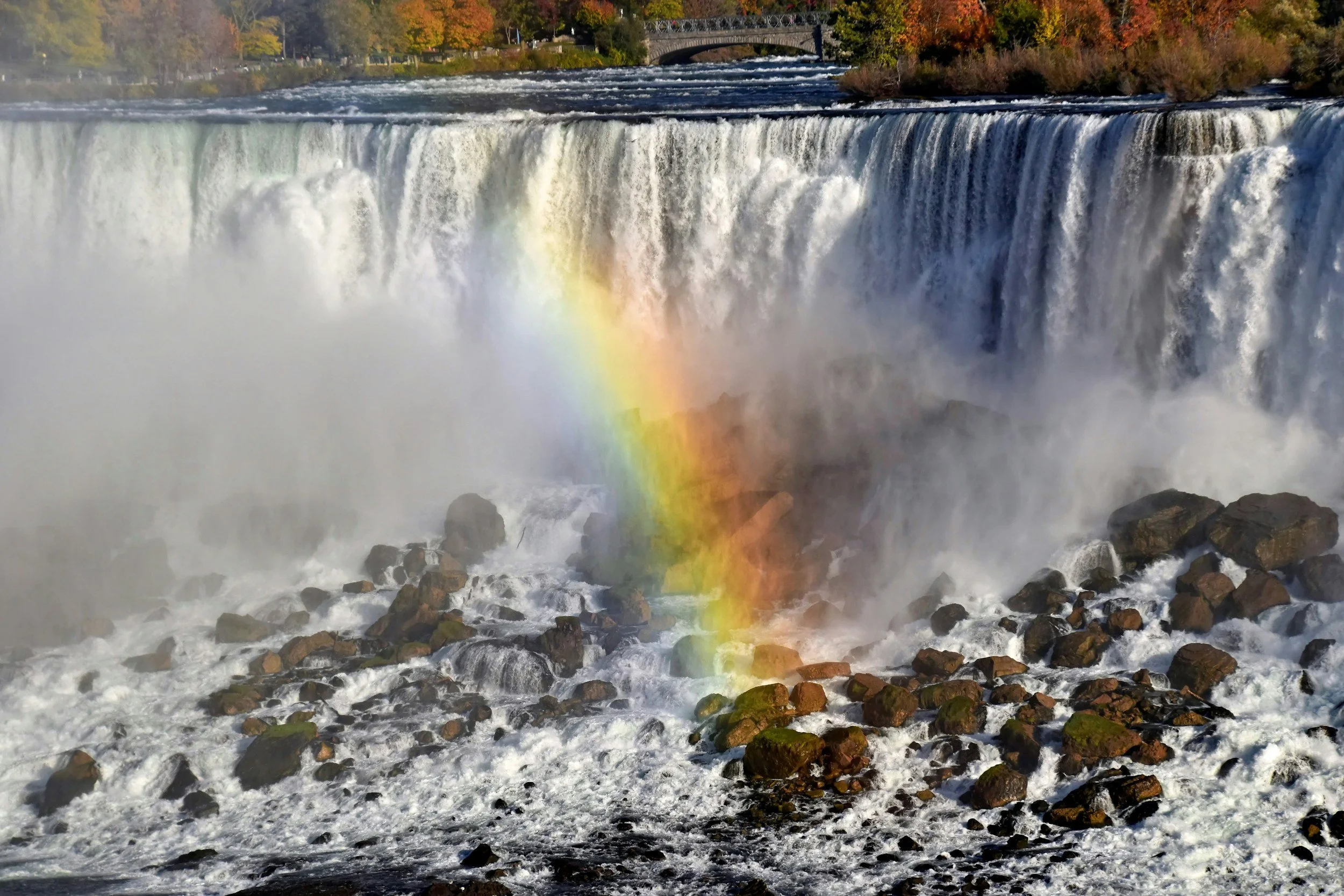
Most of us have experienced that moment where something is so beautiful you forget yourself for a second.
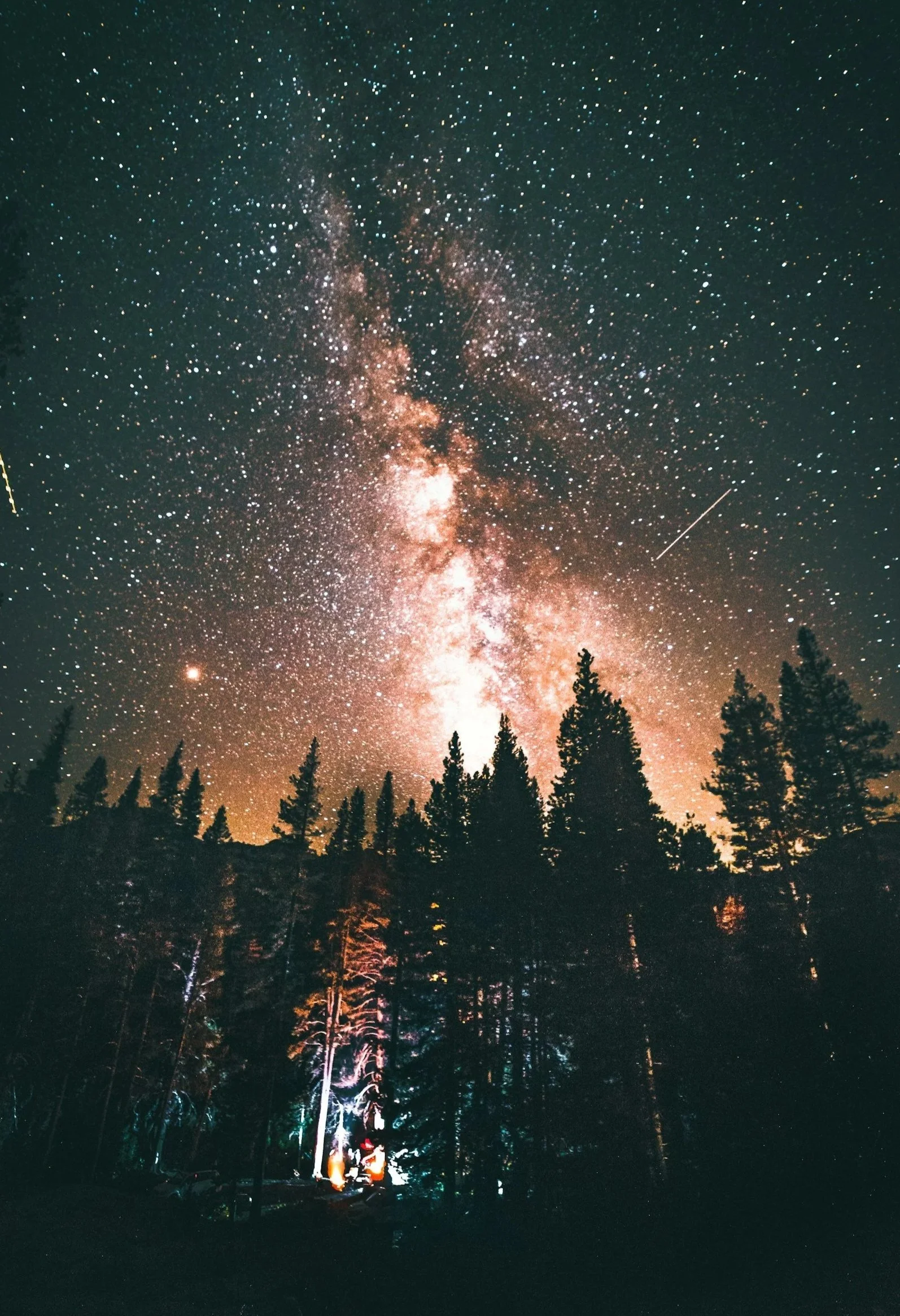
A sky full of stars. A canyon that doesn’t look real. A whale surfacing. A forest so tall it makes you go quiet.
That’s awe.
And it’s not just a nice feeling. Research shows that awe can calm the nervous system, lower stress, and help us feel more connected — to ourselves, to others, and to the world around us.
What awe actually is
Awe is when we experience something larger than our usual frame of reference and it causes us to pause and reorient. That vastness doesn’t have to be dramatic. It can be quiet and simple: ancient trees, moving water, the soft glow of the moon on a clear night.
Psychologists describe awe as creating the “small self” effect: a temporary reduction in self-focus. Not in a diminishing way, but in a relieving one. For a moment, we’re no longer the center of every problem. We’re part of something larger. And that shift matters.
What awe does to the nervous system
Studies show that awe has significant physiological effects. It can lower cortisol levels, reduce inflammation associated with chronic stress, and increase feelings of connection and meaning. It can also give us an expanded sense of time - it literally makes us feel like time has slowed down.
In simple terms, awe helps move the body out of survival mode. It interrupts the stress loop by changing our perspective, and the nervous system responds almost immediately.
Why nature is such a powerful source of awe
Awe can come from art, music, or shared human moments. But nature remains one of the most consistent and accessible sources. That’s not accidental.
Human nervous systems evolved in constant relationship with the natural world. For most of our history, regulation came from light and darkness, seasons, water, wind, and rhythm — not from screens, schedules, and constant stimulation.
Nature offers vastness without comparison, beauty without judgement, and presence without expectation.
You don’t have to achieve anything to belong there. You don’t have to perform, explain, or improve. Nature meets us exactly as we are, and that alone can soften our nervous system.
Why awe matters during burnout and transition
Awe is especially powerful during periods of burnout, grief, or life transition. When we’re exhausted or overwhelmed, our world tends to shrink. Our thoughts become repetitive. Our identity narrows to what we’re processing, what we need to get done, or what feels uncertain.
Awe gently widens that frame. Research suggests that awe can reduce rumination and self-criticism, increase open-mindedness, support creativity, and shift our perspective.
Many people describe awe as helping them remember what truly matters. It doesn’t fix us, but it reminds us that we were never broken.
Designing experiences around awe
At Moonwake Retreats, we intentionally design experiences that invite awe. Not as spectacle, but as a way to recenter and return us to the present.
Time in wild places. Moments of stillness and ceremony. Mindful experiences that quiet our urge to perform and create room to listen inward. We know that when the nervous system relaxes, clarity naturally follows, and when we remember that we’re part of something larger, we stop trying so hard to hold everything together.
Awe doesn’t demand effort. It doesn’t require improvement. It simply invites us to remember.
A gentle reflection
When was the last time something made you feel small — not insignificant, but connected?
When was the last time you stood inside a moment big enough to soften your grip on everything you’ve been carrying?
That feeling isn’t an escape from life. It’s a return to it.
____________________________________
Selected research & further reading
• Keltner, D., & Haidt, J. (2003) — foundational research on awe
• Piff et al., Psychological Science — awe, well-being, and prosocial behavior
• Stellar et al. — awe, vagal tone, and inflammation
• UC Berkeley Greater Good Science Center — awe and the “small self”